
What Happens During A Montessori School Assessment Day
Category: Insights
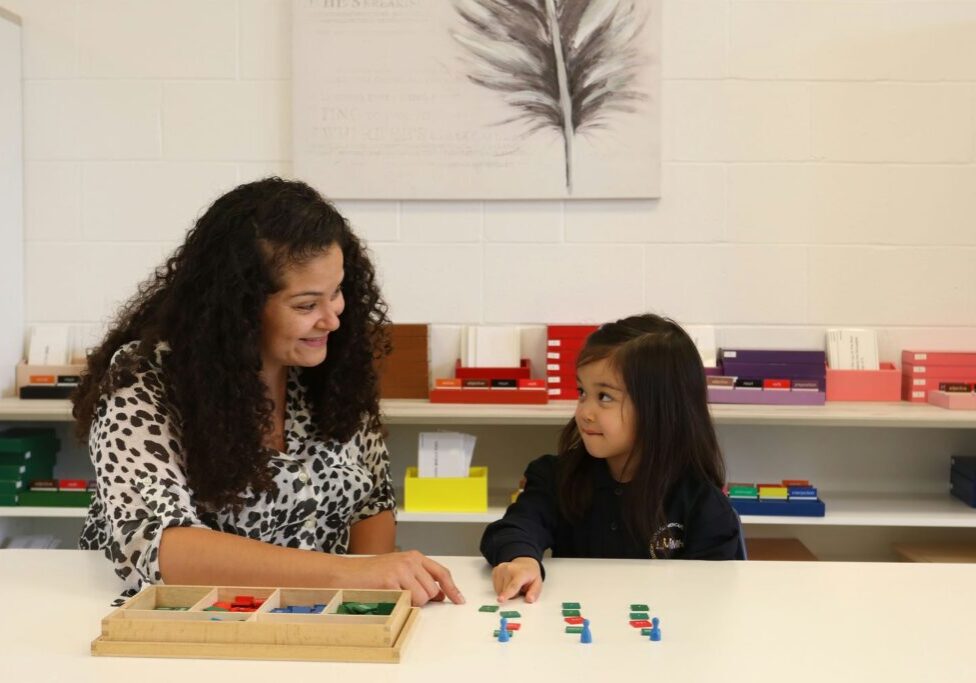
A Montessori school assessment day is part of the private school admissions process, but it should not feel like a high-pressure exam for your child. For us, the assessment helps the school understand academic readiness, character, independence, and whether the child can thrive in a Montessori learning environment. The goal is not perfection. It is a clearer picture of fit.
This guide is for parents preparing for an assessment visit, especially for Grades 1 to 8 applicants. It explains what may happen before, during, and after the visit, what the school may observe, and how you can help your child arrive calmly without over-coaching.
For York Region families, the most important thing to remember is that assessment day protects both sides of the decision. The school learns whether it can support the child well, and parents gain another opportunity to understand whether the environment feels right.
Montessori Assessment Day At A Glance
A Montessori assessment day usually includes a scheduled visit where the school observes a child’s readiness, work habits, independence, communication, academic foundations, and ability to engage in a new environment. The exact format can vary by grade and school, so parents should always confirm the details with admissions before the visit.
For Grades 1 to 8 applicants, we run a comprehensive academic and character assessment during a scheduled visit. It can only be booked after a complete application, Confidential School Report, and all required documents are submitted.
| Stage | What Usually Happens | Why It Matters |
| Before The Visit | Application and documents are reviewed | Helps the school understand the child’s background |
| Arrival | Child and family are welcomed | Sets a calm tone |
| Academic Activities | Child may complete reading, writing, math, or problem-solving tasks | Shows current readiness and learning habits |
| Classroom Or Social Observation | Staff observe independence, focus, communication, and behaviour | Helps assess Montessori fit |
| Character And Readiness Review | The school looks at attitude, confidence, respect, and engagement | Fit is more than academics |
| Parent Follow-Up | Admissions may review next steps or request more information | Keeps the process clear |
The core message is simple: assessment day helps the school understand whether the child is likely to thrive in the environment. It is not only a test of what the child knows. It is also a chance to understand how the child approaches learning.
What Happens Before The Assessment Day

Assessment day begins before your child arrives on campus. The school first needs enough background information to understand the applicant’s current grade level, learning history, and support needs. This helps the visit become more accurate and fair.
Parents can make the process smoother by preparing documents early, asking admissions what is still missing, and confirming what their child should bring on the day of the visit.
The Application Must Be Complete First
For Grades 1 to 8 applicants, a complete application, Confidential School Report, and all required documents must be submitted before an assessment can be booked. That means preparation is not a side step. It is part of the assessment process itself.
Incomplete documents can delay scheduling. If your family is working toward a specific entry year, ask admissions which items are required before a visit can be arranged and which items can be discussed later if needed.
This is also why timing matters. Families who start earlier usually have more time to gather school reports, report cards, support documents, and grade-specific details without rushing.
The School Reviews Background Information
Before assessment day, the school may review current school reports, recent report cards, IEPs, psycho-educational information if applicable, and the family’s intended entry year. These documents help the school understand the child’s academic journey, classroom behaviour, and any support needs that should be considered.
A current school report offers insight into the student’s performance and behaviour, while report cards help us track academic progress and identify areas needing support.
These documents should not be seen as negative. They help the school avoid judging a child based on one visit alone. A complete picture gives the admissions team a better chance of making a thoughtful decision.
Parents Should Ask What The Child Should Bring
Before the visit, ask admissions what your child should bring. Depending on the school and grade, this could include practical items such as comfortable clothing, indoor shoes, a snack, or any materials the admissions team specifically requests. Do not assume the same checklist applies to every child.
The best question is simple: “Is there anything my child should bring or avoid bringing on assessment day?” That gives admissions a chance to clarify expectations and reduce uncertainty.
This is also a good time to confirm logistics, such as arrival time, where to check in, whether parents remain on-site, and how long the visit is expected to take.
What Your Child May Experience During The Visit

Parents usually want to know exactly what will happen during assessment day. The honest answer is that the format can vary by school, grade, and child. The safer expectation is that the visit may include a calm welcome, age-appropriate academic activities, observation of work habits, and some review of social or character readiness.
The day should give the school useful information without making the child feel like every moment is a test. Parents should ask our admissions team to confirm the current format when the assessment is scheduled.
A Calm Welcome And Orientation
A good assessment day should begin with a calm welcome. Staff may introduce the child to the space, explain what will happen in simple language, and help them understand that the visit is about getting to know them.
This matters because children show more of themselves when they feel safe enough to participate. A nervous child may need a few minutes to settle, observe, and understand the expectations before beginning an activity.
The welcome also gives staff a chance to see how the child responds to a new adult, a new environment, and a new routine. Those early moments can be informative without being high pressure.
Academic Activities Or Skill-Based Tasks
The child may be asked to complete reading, writing, math, problem-solving, or language-related tasks depending on age and grade. For older applicants, these tasks help the school understand current readiness, learning habits, and areas where support may be needed.
Parents should avoid trying to guess or drill exact content beforehand. The school is not only looking at whether the child knows a specific answer. It may also be observing how the child approaches work, listens to directions, and manages uncertainty.
Our Elementary program covers language, math, science and technology, learning skills, geography, history, physical education, and advanced French immersion. Families applying for Grades 1 to 8 can see how our elementary curriculum and daily structure shape the learning environment behind the assessment.
Observation Of Work Habits And Independence
Montessori assessment should not look only at academic answers. Staff may observe whether the child can listen, focus, follow directions, begin a task, ask for help appropriately, and recover when something feels difficult.
Independence does not mean the child never needs support. It means the child can begin developing the habits needed to participate in a Montessori environment: responsibility, attention, purposeful work, and respectful use of materials.
This is one reason assessment day can be useful. A child’s work habits may not be fully visible in report cards alone, but they can appear during a guided visit.
Social And Character Readiness
We treat the Grades 1 to 8 assessment as both academic and character-based. In parent-friendly terms, character may include respect, honesty, communication, persistence, flexibility, effort, and how the child responds to adults and peers.
This is not about labelling a child as good or bad. It is about understanding whether the child is ready to participate constructively in the school community and how the school can support that growth.
For Montessori schools, social readiness matters because the classroom is a community. Children learn not only from adults, but also from materials, peers, routines, and shared responsibility.
What The School May Be Looking For

A Montessori school assessment day gives the admissions team several lenses for understanding a child. Academics matter, but they are not the only factor. The school may also be looking at attention, independence, self-management, communication, and whether the child appears ready for the environment.
Parents should use this section as a guide, not a script. The goal is not to train your child to act a certain way. The goal is to understand what a school may be observing.
Academic Foundations
The school may look at reading, writing, math reasoning, problem-solving, comprehension, and grade-level readiness. These activities help identify where the child is strong, where they may need support, and whether the school can meet them well.
The exact tasks may depend on the child’s grade and background. A Grade 1 applicant and a Grade 7 applicant should not be assessed in the same way, which is why we customize the process to age and developmental stage.
Parents should avoid thinking of this as a pass-fail academic exam. It is more useful to see it as a readiness snapshot that sits alongside report cards, school reports, and the child’s observed learning habits.
Learning Habits And Attention
In a Montessori setting, learning habits matter. Staff may observe whether the child can stay with a task, handle mistakes, listen to instructions, make an effort, and show curiosity. These habits affect how the child will participate in daily work.
A child does not need adult-level focus. However, the school may want to see whether the child can engage with an activity, accept guidance, and continue after a small challenge.
Our Montessori teachers observe students closely, assess progress, and decide when a student is ready for additional presentations or work. That daily observation mindset helps explain why work habits can matter during assessment day.
Independence And Self-Management
Montessori environments place a strong emphasis on independence, self-direction, and responsibility. During an assessment, staff may notice whether the child can begin work, manage transitions, care for materials, ask questions, and respond to guidance.
This does not mean a child must already be fully independent before admission. It means the school is looking at how independence is developing and whether the child can grow within the classroom structure.
In our classrooms, young children are supported to care for personal needs and the classroom environment, with freedom of movement and choice over classroom activities. Those habits become part of how children learn to manage themselves over time.
Social Fit And Communication
The school may observe how the child speaks with adults, responds to instructions, handles a new setting, and shows respect for others. For older students, this may also include maturity, collaboration, and readiness for a community-based environment.
Social fit should not be confused with being outgoing. A quiet child may still show strong readiness through listening, careful work, respectful communication, and gradual engagement.
The assessment helps the school understand how the child enters a new community. That is valuable because a strong academic match is not complete without a school environment where the child can participate with confidence.
How To Prepare Your Child Without Over-Coaching

Parents naturally want to help their child do well. The best preparation, however, is calm, honest, and simple. Over-preparation can make the day feel bigger and more stressful than it needs to be.
Your job is to help your child arrive rested, reassured, and ready to be themselves. The school’s job is to understand how your child learns and whether the environment is likely to be a good fit.
Explain The Visit In Simple, Honest Language
Tell your child they are visiting a school so the teachers can get to know how they learn. Avoid calling it a test, interview, or audition unless admissions specifically uses that language with you.
A simple script can help: “You will visit the school, meet some teachers, and do a few activities so they can learn more about you.” This keeps the tone clear without adding pressure.
If your child asks whether they need to get everything right, reassure them that the visit is about trying, listening, and showing how they work. That message is more helpful than promising that the day will be easy.
Keep Routines Calm Before The Visit
The best practical preparation is often basic: sleep, breakfast, comfortable clothing, and a calm morning routine. A child who arrives regulated is more likely to listen, participate, and recover from nerves.
Avoid adding last-minute academic drills the night before. A sudden cram session can make the visit feel like a major performance and may increase anxiety.
Instead, keep the day ordinary where possible. Familiar routines tell the child that this is an important visit, but not something to fear.
Do Not Rehearse Perfect Answers
Parents should not coach children to sound overly prepared. Admissions teams need to see the real child, including how they think, ask questions, respond to support, and handle uncertainty.
A rehearsed child may seem more anxious because they are trying to remember what they were told to say. A genuine child gives the school better information.
If your child needs support, the assessment can help the school understand that. Accuracy is more useful than performance.
Prepare Yourself With Practical Questions
Parents can prepare by asking what time to arrive, where to check in, how long the visit may take, whether parents remain on-site, what the child should bring, and what happens afterward. These questions reduce uncertainty for the whole family.
It also helps to understand where the assessment fits in the admissions timeline. Families who are still planning entry timing can see when to apply to York Region private schools for fall entry.
When parents feel clear, children often feel calmer too. Your confidence sets the tone for the visit.
What Parents Should Ask Before The Assessment

Before assessment day, ask a few direct questions so you can explain the visit accurately to your child and avoid delays. Clear expectations help the day feel more manageable.
These questions should not replace the Admissions page. They are meant to guide your conversation with admissions once your family is moving toward an assessment visit.
Which Documents Need To Be Complete First?
Parents should ask exactly which documents must be submitted before the assessment can be booked. For our Grades 1 to 8 applicants, a complete application, Confidential School Report, and all required documents must be submitted before assessments can be scheduled.
A helpful question is: “Which documents need to be complete before my child’s assessment can be scheduled?” This prevents confusion and helps you prioritize what to gather first.
If something is missing, ask whether the assessment must wait or whether admissions can advise you on the next step. Do not guess.
What Will The Visit Include?
Parents should ask whether the visit includes academic tasks, classroom observation, staff conversation, character assessment, or time in a classroom setting. This helps you explain the day to your child in age-appropriate terms.
A helpful question is: “What should my child expect during the visit?” You are not asking for test answers. You are asking for a clear description that helps your child feel prepared.
The more clearly you understand the day, the less likely you are to overstate it at home.
How Should We Talk About The Assessment At Home?
Parents can ask admissions how they recommend describing the visit to children. This is especially helpful if your child is anxious, very literal, or likely to worry about being judged.
A helpful question is: “How should we explain assessment day to our child?” The school may suggest language that fits the child’s age and the format of the visit.
This question also shows that you are trying to support the process without over-coaching. That is usually a good sign of partnership.
When Will We Hear About Next Steps?
Parents should ask how and when admissions follow-up usually happens. Timelines may vary by season, grade, documents, and available space, so the school should confirm what is realistic for your situation.
A helpful question is: “After the assessment, when should we expect to hear about next steps?” This keeps expectations clear and prevents unnecessary worry after the visit.
It also helps you plan other decisions, such as tuition conversations, transition timing, and whether to continue exploring other schools.
What Happens After The Assessment Day

After the assessment, the school reviews what it learned from the visit alongside the application and submitted documents. This stage helps admissions make a thoughtful decision about readiness, fit, and whether the school can support the child well.
Parents should avoid treating silence immediately after the visit as a sign of concern. Admissions teams may need time to review notes, speak with educators, and confirm the next step.
The School Reviews Fit And Readiness
After the assessment, the school may review the child’s visit, submitted documents, academic readiness, character, independence, and ability to participate in the learning environment.
For us, the Grades 1 to 8 assessment helps evaluate academic abilities, personal qualities, and overall readiness for the school’s educational environment.
This review should be understood as a fit decision, not only a selection decision. The school is asking whether the child is likely to thrive and contribute positively within the community.
Admissions May Ask For More Information
Admissions may sometimes request additional documents, a follow-up conversation, or clarification from parents. This is not automatically negative. It can simply mean the school wants a clearer understanding before making a decision.
For example, a school may want to better understand a report card pattern, a support document, a previous school experience, or how the child responded during the visit.
A careful admissions process should use information well. If more information is needed, that can support a better decision for the child.
Families Should Review Fit Before Accepting
If your child is offered admission, your family should still reflect on fit, schedule, tuition, commute, and program expectations. The assessment helps the school decide, but parents also need to decide whether the environment feels right.
This is a good time to review practical details, including tuition, deposits, payment timing, and what may be included or extra. Families weighing final cost questions can see how private school tuition in York Region is structured before they commit.
A strong admissions outcome should feel clear on both sides. The school should understand the child, and the family should understand the commitment.
How An Assessment Day Differs From A Tour

A tour and an assessment day are both part of a thoughtful admissions path, but they serve different purposes. A tour helps parents understand the school. An assessment helps the school understand the child.
Knowing the difference helps families prepare for each step without turning one into the other.
A Tour Helps Parents Evaluate The School
A tour is mainly for parents to observe the environment, ask questions, and understand the school’s approach. It helps families decide whether applying makes sense before they commit time and energy to the application process.
During a tour, parents may ask about teaching approach, French immersion, communication, daily rhythm, assessment, homework, social development, and transition. Those questions help the family decide whether the school deserves serious consideration.
Families who are still preparing to visit can work through the right questions to ask on a private school tour to evaluate teaching approach, child fit, communication, French immersion, and daily life.
An Assessment Helps The School Understand The Child
The assessment is more child-centred. It helps admissions and educators understand readiness, learning habits, independence, academic foundations, character, and how the child engages in a new setting.
This distinction matters because assessment day is not a parent interview dressed up as a child visit. The school is gathering information about how the child may participate in the Montessori environment.
Parents can still ask questions, but the heart of the day is the child’s experience.
Both Steps Support A Better Admissions Decision
The tour and assessment work together. The tour helps parents decide whether to apply, and the assessment helps the school decide whether the student is likely to thrive.
A good admissions process protects fit on both sides. It gives parents more than a brochure and gives the school more than a form.
When both steps are handled clearly, families can make a more confident decision.
What If Your Child Is Nervous, Quiet, Or Has Support Needs?

Many parents worry that their child will not show their best self on assessment day. That worry is understandable, especially if the child is shy, anxious, slow to warm up, or has support needs.
The most helpful view is this: the assessment is designed to understand the child, not to catch them out. A good process should make space for nerves and look at the whole picture.
Nervousness Is Normal
A child can be nervous in a new environment and still show strong potential. Staff who work with children should expect some hesitation, quietness, or warm-up time.
Do not panic if your child is quieter than usual. The school will likely look at the visit together with documents, parent communication, and the child’s overall presentation.
Your role is to help your child arrive calmly. The school’s role is to interpret the visit with professional judgement.
Quiet Children Can Still Show Readiness
A child does not need to be highly outgoing to be a good fit. Quiet children may show readiness through listening, focus, careful work, respectful communication, and gradual engagement.
This is especially important in a Montessori context, where observation, concentration, and purposeful work can be meaningful signs of readiness. Not every child shows confidence through constant talking.
Parents should avoid apologizing for a child’s temperament. Instead, share what helps your child settle, engage, and participate.
Support Documents Help The School Understand The Child
If your child has an IEP, psycho-educational report, or previous support history, share those documents honestly. We specifically request psycho-educational reports and IEPs where applicable as part of elementary pre-assessment requirements.
Support documents help the school understand the child’s needs and whether the environment can support them well. They also reduce the chance that admissions will misread a support need as a lack of readiness.
A good-fit decision depends on accuracy. The more honestly the school understands the child, the more useful the assessment becomes.
Why This Matters For York Region Families
York Region families often compare school options while also managing deadlines, commute, tuition, public versus private choices, and grade availability. Assessment day can become one of the clearest moments in that process because it moves the decision from theory into real observation.
It gives families and the school a better chance to slow down, ask whether the fit is right, and make the next decision with more confidence.
Assessment Day Helps Avoid A Rushed School Choice
Families may feel pressure around deadlines, grade availability, and fall entry timing. Assessment day gives the school and family one more opportunity to understand fit before a final decision is made.
This matters because a rushed application can create stress for both the child and the parents. A thoughtful assessment helps keep the process centred on readiness and fit instead of urgency.
Parents Should Understand The Process Before Enrolling
Ontario’s guidance on researching private schools before enrolling covers programs, admissions policies, fee contracts, refunds, complaint procedures, student records, and staff certification. That supports a practical rule for parents: understand the admissions and assessment process clearly before committing.
This does not need to make the process feel intimidating. It simply means parents should ask direct questions and expect clear answers.
A transparent assessment process is part of trust. It helps families know what is being reviewed, why documents matter, and how the school thinks about fit.
The Right Assessment Process Builds Confidence
A clear assessment process should help parents feel more informed, not more anxious. It should explain what the school is learning, what the child may experience, and how the visit supports a good-fit decision.
It should also give families a better sense of the school’s values. If the process is calm, thoughtful, and child-centred, that can reflect the kind of environment the school is trying to build.
For current requirements, grade availability, documents, and scheduling, families should contact our admissions team directly and treat that guidance as the source of truth.
Start The Admissions Conversation With Confidence
A clear assessment day should help your family and the school make a better-fit decision. La Maison Montessori House runs an admissions process that is thorough and customized to each applicant’s age and developmental stage, with a focus on each child’s potential and fit within a Montessori environment. As the only French Montessori school in York Region, with more than 20 years in business, 2,000+ students graduated, and educators extensively trained in the Montessori method, our team can walk you through what to expect. For current requirements, grade availability, required documents, and assessment scheduling, you can review the current admissions details.
Frequently Asked Questions
A child may complete age-appropriate academic activities, meet staff, and be observed for readiness, work habits, independence, communication, and character. The exact format depends on the grade and school. Students applying for Grades 1 to 8 complete a comprehensive academic and character assessment with us during a scheduled visit. Parents should confirm the current format with admissions when the assessment is booked.
Not in the narrow sense. It may include academic tasks, but it also helps the school understand how the child learns, responds to guidance, manages challenge, and fits the environment. The goal is not perfect performance. The goal is a clearer picture of readiness and fit.
It depends on the school, grade, and entry point. With us, Grades 1 to 8 applicants complete a comprehensive academic and character assessment during a scheduled visit. Families applying for younger grades or different entry points should confirm the current process directly with admissions.
Parents should confirm directly with admissions. In general, ask what materials, snacks, clothing, or documents are needed before the visit. Do not assume the same checklist applies to every grade. Ask when the assessment is scheduled so your child can arrive prepared.
Keep the explanation simple and calm. Tell your child they are visiting the school so teachers can get to know how they learn. Avoid calling it a test or rehearsing perfect answers. Focus on sleep, breakfast, comfort, and reassurance. Your child does not need to arrive sounding rehearsed.
Nervousness is normal. A quiet child may still show readiness through listening, focus, effort, respectful communication, and gradual engagement. If your child often takes time to warm up, tell admissions. That context can help the school interpret the visit fairly.
The school reviews the visit, application, documents, academic readiness, character, and overall fit. Admissions may then follow up with next steps, additional questions, or a decision. Parents should ask before the assessment when they can expect follow-up and how next steps are usually communicated.
This depends on the school, the child’s age, and the assessment format. Parents should ask admissions what to expect when scheduling the visit. A helpful question is: “Will parents remain on-site during the assessment, and how should we prepare our child for that?”